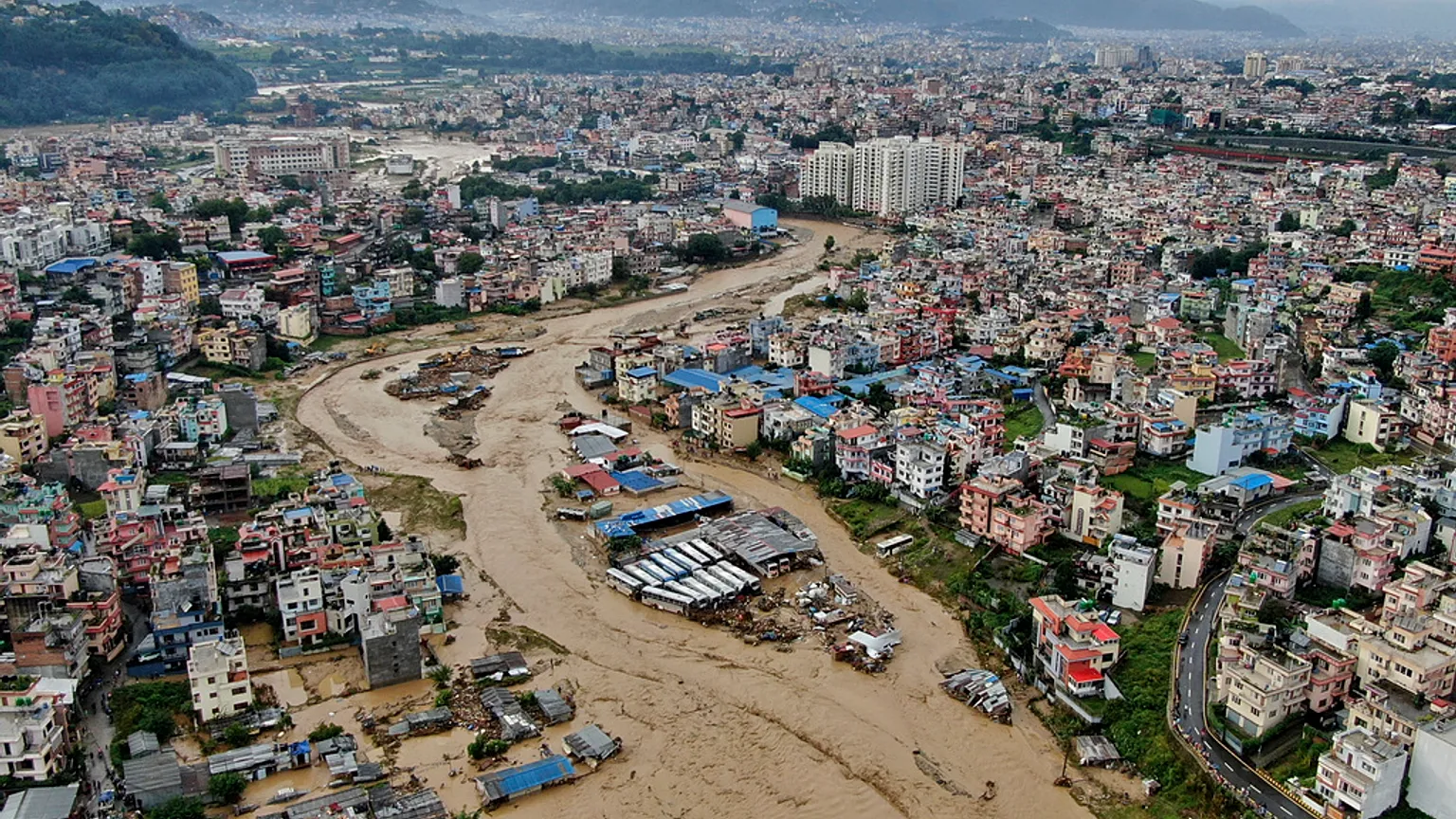
 The Deadly Dance of Mountains and Monsoon
On October 5, 2025, the Eastern Himalayan region was struck by a catastrophic cascade of landslides and flash floods, claiming over 70 lives and disrupting millions across Nepal, northern West Bengal in India, and the neighboring state of Sikkim. Torrential, unseasonal rains, exceeding 300 millimeters in just 12 hours in parts of sub-Himalayan West Bengal, unleashed a torrent of destruction. Bridges were washed away, villages were buried under debris, and hundreds of tourists were stranded during what should have been the region’s idyllic peak season.
In Nepal, at least 47 people perished, including 35 in a single, devastating landslide in Ilam district. Across the border in India’s Darjeeling district, 23 fatalities were confirmed, with the severely hit town of Mirik bearing the brunt of the chaos. Sikkim, already isolated by blocked roads, faced near-total cutoff from mainland India, echoing vulnerabilities tragically exposed in the 2023 GLOF disaster. This event, unfolding just before the crucial Dashain festival exodus in Nepal and amid India‘s autumn tourism surge, highlights the fragile equilibrium of the Himalayas—a region where escalating climate risks meet systemic human vulnerability. Here we delve into the root causes, the factors that amplified the losses, and proposes forward-looking strategies for resilience across the Eastern Himalayan landscape.
Causes of the Disaster: The Climate Signature of Unseasonal Fury
The primary trigger for the October 5 catastrophe was an intense, unseasonal spell of heavy rainfall. While the Indian monsoon typically begins its retreat by mid-September, the lingering system of 2025, which extended unusually into early October, represents a clear signature of climate change-driven erratic weather patterns.
Meteorological data points to a weakened depression over the Bay of Bengal that morphed into a low-pressure system, funnelling massive moisture-laden winds into the Himalayan foothills and intensifying localized cloudbursts.
Sheer Volume and Saturation
In northern West Bengal and Sikkim, the deluge was ferocious, with nearly 100 landslides recorded in Darjeeling alone. The extreme precipitation saturated the already fragile slopes, initiating deep-seated slope failures that transformed serene tea estates and hill roads into rivers of mud and rock.
Amplified Flow
Flash floods surged through the Balason and Teesta river basins, a pattern disturbingly reminiscent of the 2023 South Lhonak GLOF event in Sikkim, where a similar low-pressure system dumped record rains across the region. While the 2025 event may have bypassed the glacial lake outburst mechanism, the sheer volume of water triggered cascading hazards, multiplying the flood risk through the valleys.
Kosi Barrage Distress
In Nepal, the relentless downpours swelled major rivers like the Kosi, forcing authorities to open all 56 sluice gates at the Kosi Barrage—a drastic measure far exceeding the usual 10–12 gate operation—underscoring the overwhelming magnitude of the inflow.
Broader climatic shifts, including warmer air holding significantly more moisture, are undeniably intensifying the frequency and scale of these annual disasters.
Aggravating Factors: How Human Folly Multiplied the Natural Hazard
The severe weather event was tragically amplified by a confluence of systemic human and infrastructural vulnerabilities, turning a severe storm into a widespread humanitarian crisis.
Geological and Infrastructural Vulnerabilities
The Eastern Himalayas’ steep, tectonically active terrain is inherently prone to mass wasting. However, the loss of life and infrastructure was magnified by unscientific construction and environmental compromise:
Deforestation and Land-Use Change
In areas like Darjeeling, decades of deforestation for tea plantations and unchecked urbanisation on unstable slopes have eroded the soil’s natural binding capacity.
The debris flows were accelerated by the loss of this vegetative buffer, turning saturated slopes into mobile hazards.
Infrastructural Collapse
The collapse of the Dudhia Iron Bridge over the Balason river not only isolated communities, requiring complex NDRF zip-line evacuations for over 160 residents, but also demonstrated the failure of infrastructure built without adequate climate-resilience parameters.
Similarly, the burying of Nepal’s vital Araniko and BP Highways cut off crucial lifelines, crippling immediate access for Kathmandu-bound relief.
Transboundary Risk and Operational Failure
Disasters in the shared river basins of the Eastern Himalayas are inherently transboundary, and poor operational protocols can turn a problem into a catastrophe.
Dam Mismanagement and Communication Lapses
A critical issue surfaced with the malfunction in the gates of Bhutan’s Tala Hydropower Dam. This triggered an uncontrolled or excessively large water release into downstream rivers like the Teesta, immediately raising flood alerts for northern West Bengal.
Such transboundary coordination failures and operational lapses compound the risk, as they turn a natural high-volume flow into an engineered surge, reminiscent of past Kosi river flooding disputes.
Timing and Mobility Crisis
The disaster coincided tragically with the post-Dashain festival return in Nepal and India’s peak autumn tourism season.
This resulted in maximum exposure, with millions clogging roads and overwhelming limited escape routes. Hundreds of visitors, including foreigners, were trapped in Mirik and Kalimpong, showcasing the lethal consequence of allowing high human density in vulnerable zones during the monsoon shoulder months.
Fragmentation in Warning and Response Chains
Despite clear scientific warnings, the crisis escalated due to organisational fragmentation.
The Last Mile Warning Gap
While the India Meteorological Department (IMD) and Nepal’s meteorological department issued Red Alerts for extreme precipitation, the effective dissemination of these warnings to remote, isolated villages was severely delayed or non-existent—a recurring flaw.
This lapse, evident in the 2023 Sikkim GLOF which claimed 179 lives due to fragmented monitoring, prevents communities from having the critical minutes needed for evacuation.
Fragmented Monitoring
The failure to fully integrate landslide and flood models meant that localized hydrological information did not fully translate into warnings about simultaneous slope instability, allowing the crisis to escalate rapidly.
Future Strategies: Forging Resilience Through Integrated Governance
Preventing future Himalayan disasters requires a collaborative and multi-pronged approach that moves beyond ad-hoc responses to integrated governance across the entire river basin.
Transboundary Cooperation and Protocol Enforcement
Joint River Basin Management
Establish mandatory India–Nepal–Bhutan protocols for dam releases and data sharing along rivers like the Teesta and Kosi. This must include real-time monitoring of reservoir levels and standardized operational procedures (SOPs) that prioritize downstream safety during high-flow events.
Accountability in Infrastructure
Post-event audits must strictly mandate climate-adaptive infrastructure codes and include transparent reviews of upstream dam operations (like the Tala Dam malfunction) to penalize and correct engineered failures that endanger downstream populations.
Advanced Technology and Early Warning Systems (EWS)
Integrated Hazard EWS
Deploy specialized, solar-powered sensor networks, satellite imagery, and AI-driven predictive models to monitor river flow, real-time rainfall, and slope stability simultaneously.
This integrated system must provide hyper-localized updates at the sub-hourly level, moving beyond general Red Alerts.
GLOF and Landslide Surveillance
Utilize drones and satellite SAR imagery for mandatory, regular surveillance of glacial lakes and high-risk landslide zones, ensuring that scientific data informs policy in real-time.
Land-Use, Infrastructure, and Nature-Based Solutions
Enforce Strict Zoning
Implement and rigorously enforce land-use zoning laws to curb construction on unstable slopes and floodplains, particularly in tourism hubs like Mirik and Kalimpong, retrofitting roads with essential drainage infrastructure.
Nature-Based Buffers
Invest significantly in afforestation on denuded slopes and the creation of riparian buffers along riverbanks using native species, building on local knowledge to physically stabilize soil and mitigate debris flow velocity.
Community and Economic Resilience
Community-Based Capacity Building
Launch intensive mass awareness campaigns in local vernaculars, focusing on simulating drills for rapid response and evacuation.
This builds the critical “muscle memory” needed when warnings are delayed or systems fail.
Economic Buffers
Promote index-based insurance and establish community disaster funds, as successfully piloted in flood-prone areas of Nepal, which cover crop and home losses while incentivizing local risk reduction measures.
Conclusion: A Choice for Enduring Mountains
The October 5, 2025, Himalayan deluge is not an isolated tragedy but a harbinger of a warming world’s wrath on fragile ecosystems.
With over 70 lives lost and scars etched deep into the landscape, it demands urgent action: from tech-savvy warnings to rooted community vigilance. The political courage to enforce accountability, invest in integrated warning systems, and prioritize ecological stability over unsustainable tourism revenue is the only way forward.
By learning from predecessors like the 2023 Sikkim cataclysm and the recurring 2025 regional floods, Nepal, West Bengal, and Sikkim can forge a resilient future—one where their majestic mountains endure, not crumble, under nature’s fury.
As rescue teams dig through the rubble today, the true measure of progress will be in the policies forged tomorrow.
आज हमने क्या सीखा:-
बेमौसमी तीक्ष्ण घटनाओ की स्वीकारोक्ति / Acknowledge Unseasonal Extremes: आपदा जोखिम प्रबन्धन सम्बन्धित नियोजन के अन्तर्गत बदल रही जलवायु के दृष्टिगत मानसून अवधि को औपचारिक रूप से अक्टूबर तक विस्तारित किया जाना चाहिये – DRR planning must officially recognize and prepare for the extension and intensification of monsoon activity into October, treating it as the new climatic normal.
देशो के मध्य आंकड़ों के आदान – प्रदान की व्यवस्था / Mandate Transboundary Protocols: ऊपरी जलागम क्षेत्र में घटित घटनाओ के नदी के निचले भाग पर पड़ने वाले प्रतिकूल प्रभावों के दृष्टिगत विशेष रूप से कोसी व तीस्ता जैसी नदियों के लिये जिनका जलागम क्षेत्र के देश की सीमाओं से बाहर हो, बांध प्रबन्धन व बांध से पानी छोड़े जाने, वर्षा तथा नदियों के जल प्रवाह से सम्बन्धित आकड़ो के तत्काल आदान- प्रदान के लिये विधि सम्मत व्यवस्थाओ का होना जरूरी है – Disasters in shared river basins (like the Teesta and Koshi) require legally binding India-Nepal-Bhutan protocols for dam releases and real-time data exchange to prevent upstream operational failures from causing downstream floods.
हिमनदीय झीलें, एक बड़ा खतरा / GLOF Risk is Central: उच्च हिमालयी क्षेत्रों में अवस्थित हिमनदीय झीलें क्षेत्र के लिये बड़ा खतरा है। अतः वर्षा के आकड़ो के आदान-प्रदान के साथ ही हिमनदीय झीलों व संवेदनशील पहाड़ी ढलानों की निरन्तर निगरानी करते हुवे उक्त से सम्बन्धित जानकारियों के तत्काल आदान- प्रदान के लिये भी व्यवस्थाये की जानी चाहिये – Integrated monitoring must extend beyond rainfall to include mandatory surveillance of high-altitude glacial lakes (GLOFs) and unstable slopes using satellite and drone technology.
संवेदनशील क्षेत्रों में उत्तरदायित्व निर्धारण जरूरी / Enforce Accountability in Vulnerable Zones: उच्च जोखिम की स्थिति में संवेदनशील शत्रु में पपर्यटको की आवाजाही को न रोक पाना मानव क्षति का मुख्य कारण रहा। अतः पर्यटन गतिविधियों के नियंत्रण के साथ ही अवसंरचना निर्माण में जलवायु परिवर्तन जनित कारको को संज्ञान में लिया जाना चाहिये – The human cost was amplified by allowing peak tourism density in high-risk zones during volatile periods. Policies must enforce strict visitor regulation and ensure infrastructure (like bridges) meets current climate resilience standards.
चेतावनियों का सम्प्रेषण व उक्त पर उचित कार्यवाही / Close the Warning Gap: प्राधिकृत वैज्ञानिक व तकनीकी संस्थाओ द्वारा दी जाने वाली चेतावनियों को अविलम्ब समुदाय के स्तर पर की जाने वाली कार्यवाहियों के रूप में रूपांतरित कर तत्काल सभी हितधारकों को प्रेषित किया जाना चाहिये ताकि पूर्वनिर्धारित योजना के अनुसार कार्यवाही कर क्षति को न्यून किया जा सके – Scientific alerts must be translated into actionable, community-level warnings without delay, ensuring remote villages receive information and have evacuation protocols established.
हमें हमेशा की तरह आपके सुझावों, प्रतिक्रियाओं व कटाक्षो का बेसब्री से इंतजार रहता हैं और सच मानिये इसी के आधार पर हम अपने आप में, अपनी सोच व रचनात्मकता में सुधार करने को प्रेरित होते हैं।
सो अच्छा – बुरा जैसा आपको महसूस हुवा हो, कमेंट जरुर करते रहें।
[…] No major new disaster incidences have been reported specifically for October 11-12 in the Himalayan region. The focus remains on the aftermath of the severe landslides and flash floods from October 5, which claimed over 70 lives in Nepal and India’s Darjeeling and Sikkim. […]