
Rigorous feasibility and cost-effectiveness assessments must steer disaster risk reduction decisions, recognizing that engineering total prevention against large-scale geological hazards is often technically unviable and financially impossible. When absolute prevention hits structural and economic limits, pragmatic mitigation strategies—primarily risk-informed land-use zoning and the planned relocation of vulnerable assets—represent the most rational path to safety. Embracing strategic mitigation over futile attempts at hazard elimination is not an institutional defeat, but an evidence-based, mature choice grounded in scientific risk assessment to secure vulnerable mountain populations.
Land-use planning
The Riverfront Property Steal
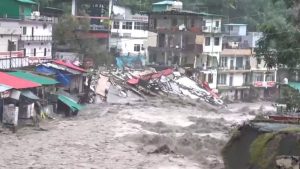
A real estate bargain can well turn out to be a high-risk liability – better ensure you are not encroaching the floodplains and not partnering obliteration of drainage as waas done in the Doon Valley.
Unraveling the Complex Web of Landslide Vulnerability and Resilience
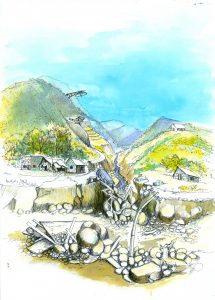
The Himalayan landscape holds a dangerous secret. This article unravels how our own choices—not just climate change—are turning natural hazards into preventable catastrophes, and offers a blueprint for a safer future.
Uttarakhand’s Monsoon Disasters: The Real Killer Is Not the Rain

From the tragic floods at Dharali to the devastation in Tharali, this is not a story of natural fury alone and here we uncover the systemic human failures that amplified the 2025 monsoon’s destruction and reveal a blueprint for a safer, more resilient Uttarakhand.
The Himalaya Is Crying Out: Is Our Obsession with ‘Triggers’ Making Us Unsafe?

The Dharali disaster wasn’t just a cloudburst—it was a tragic warning, but our obsession with a disaster’s cause is a dangerous distraction from the real solutions that save lives.