
किसी भी आपदा के बाद औपचारिक प्रतिवादन बलों (formal response forces) को घटनास्थल तक पहुँचने में समय लगता है और मौसम व सम्पर्क की जटिलता के आधार पर यह समय कम या ज्यादा हो सकता है। ऐसे में ज्यादातर स्थितियों में प्राथमिक प्रतिवादन (first response) घटनास्थल के समीप स्थित समुदायों के साथ-साथ पुलिस, अग्नि शमन […]
Search Results for: earthquake
October heat & Uttarakhand disaster
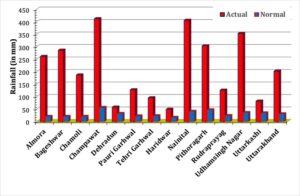
Abnormal rainfall in the post-monsoon season of 2021 took toll of 82 human lives of which 22% were trekkers. This warrants a robust policy for high altitude trekking wherein safety of persons venturing to high altitude areas is ensured.
Slope monitoring around Nainital

Successful monitoring of the hill slope around the Naini lake by British Raj authorities highlights the importance of vision, resolve and will power over technology and resources.
Garbyang: Sinking village of Higher Himalaya

Once upon a time, prior to Sino-Indian conflict of 1962, Garbyang was a thriving village located on Indo-Tibetan trade route. The village is presently facing serious land degradation, and interventions are required for retarding, and finally checking the pace of ground subsidence so as to secure the age-old legacy. If not addressed timely continuing ground […]
A HEP project that protected the Balia ravine
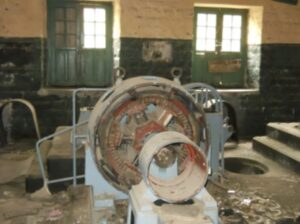
Conceived in 1918 Balia Nala hydroelectric power (HEP) project lighted up Nainital Municipality and provided water to its residents from 1922 to 1974, besides protecting the Balia ravine from erosion and earning revenue for the Municipality. 119 years after 1803 Garhwal Earthquake it was on September 1, 1922 that the lake city Nainital got regular electricity supply. […]
Seismic vulnerability of built environment in Uttarakhand

With the Great Himalayan Earthquake drawing close, the present state of built environment could result in near total devastation. To avert this eventuality, we have to seriously review the state of our built environment, and identify key factors contributing to seismic vulnerability and accordingly prepare a robust, time bound and practical strategy to set our […]
Risk transfer for promoting risk reduction

Disasters often result is loss of lives, livestock, assets, property and infrastructure that often have severe adverse impact on the quality of life and livelihood strategy of the affected population. These at the same time disrupt industrial activities, commerce and routine business of the government. State has to therefore intervene for bringing forth narmalacy by […]
Landslide disasters and rainfall forecasts

Landslide is a commonly occurring phenomenon in all the mountainous regions of the world, with even the developed countries like Japan not spared. What however follows in these countries is quite different from what we practice. Rather than shifting the blame on abnormal rains and trying to manage landslides based on weather forecasts, the reasons that […]
Impact
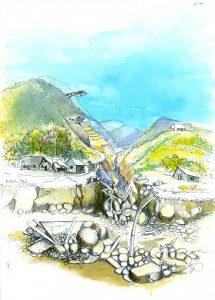
In the disaster management cycle impact refers to the point at which a hazard event occurs; for instance, when a cyclone or an earthquake strikes a particular area. Its inclusion serves as a reminder that, in disaster management terms, the impact can vary depending on the nature of hazard. An earthquake generally strikes without any […]
Response

We have been, and would keep trying ways of delaying or averting hazards, and ruling out possibility of disasters taking place. Most hazards however have multiple drives having complex interrelationships. Despite giant leaps in the field of science and technology, causative factors of not all hazards are however fully understood. Even if we understand these […]